


When was the last time you looked in your pet’s mouth?
It’s okay — you’re not alone. Fewer than 1 in 10 pet owners brush their pet’s teeth regularly. Now think about all the butt-sniffing, garbage-eating, goose-poop-nibbling our pets do. With all the exploring they do with their faces, the real question is… how do pets not have MORE dental disease?
Brushing is the gold standard. The Veterinary Oral Health Council (VOHC – VOHC.org) recommends brushing your pet’s teeth just as consistently as you brush your own. While daily brushing is ideal, even 3 times per week can make a huge difference. We also have videos on our website demonstrating how to brush your pet’s teeth: www.citybytheseavet.com/services/dentistry/pet-dental-care
Yes — dental chews and supplements can help a little, but there’s no true substitute for brushing. At City by the Sea Vet, we take dental health seriously — because dental disease is one of the most common (and most overlooked) sources of chronic pain in pets.
Let’s be honest: it’s not easy. Dogs and cats can be sensitive about having their mouths touched, and the teeth that matter most are often the hardest to reach — the premolars and molars in the back, where chewing happens. Special flavored pet toothpaste can help train them to tolerate brushing (and yes, vanilla mint is a fan favorite in my house). We start talking about brushing early with puppies and kittens… but many owners get understandably overwhelmed and give up.
When teeth aren’t cleaned regularly, bacteria form a sticky film called plaque, which eventually hardens into tartar. Over time this leads to gingivitis and periodontal disease. Honestly? When a pet walks into the exam room, I can often smell the severity of dental disease before even opening their mouth. At that point, many pets need more than “just a cleaning.” They may have infection under the gumline, and the only way to fix that is often extracting painful, infected teeth. Periodontal bacteria can destroy the structures that support the teeth (the gums, ligaments, and bone), causing: severe inflammation, tooth root infections, loose or painful teeth, and tooth loss. And the toughest part? Most pets keep eating through the pain for years.
They adapt… until they can’t.
Dental disease affects more than the mouth. As dental infection worsens, bacteria can enter the bloodstream and create chronic inflammation, which can stress the immune system and complicate other health conditions your pet is already fighting. Dental disease doesn’t just stay in the mouth — it can “shower” visceral organs like the heart, liver and kidneys. Dental disease is an active infection. The mouth is connected to the whole body, and chronic oral inflammation can affect appetite, energy, and overall wellness over a lifetime. One of the most rewarding things we see? Older pets become playful and energetic again after their mouths are treated — because it wasn’t “old age”… it was dental pain.
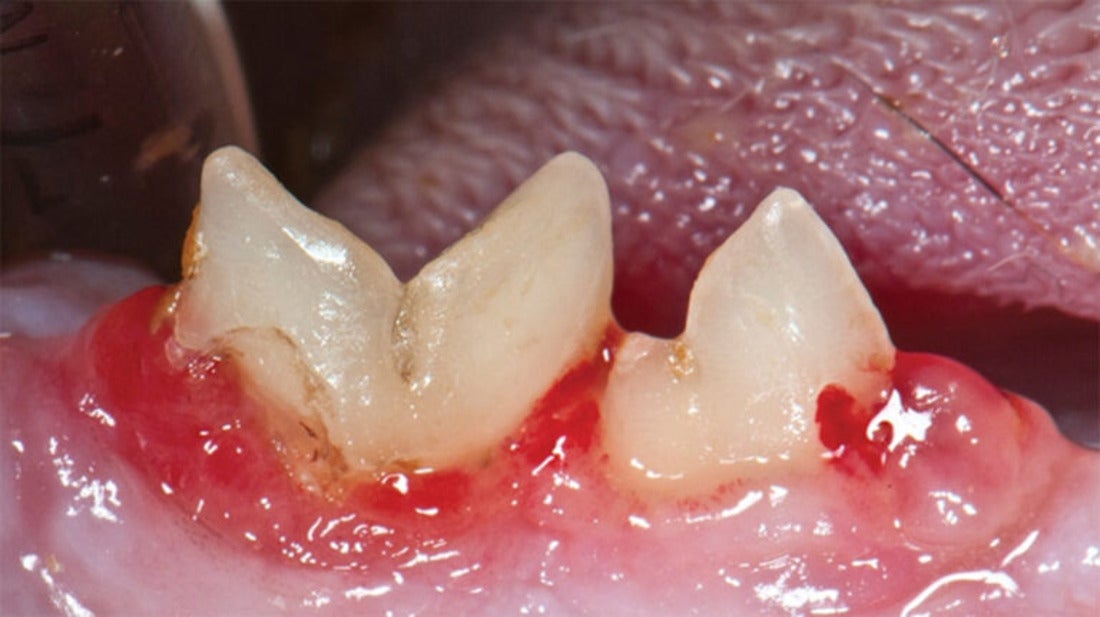
TVP-Resorptive-lesion-cat - Clinical appearance of tooth resorption of right mandibular fourth premolar and first molar. (Image https://todaysveterinarypractice.com/dentistry/external-tooth-resorption-cats/ )
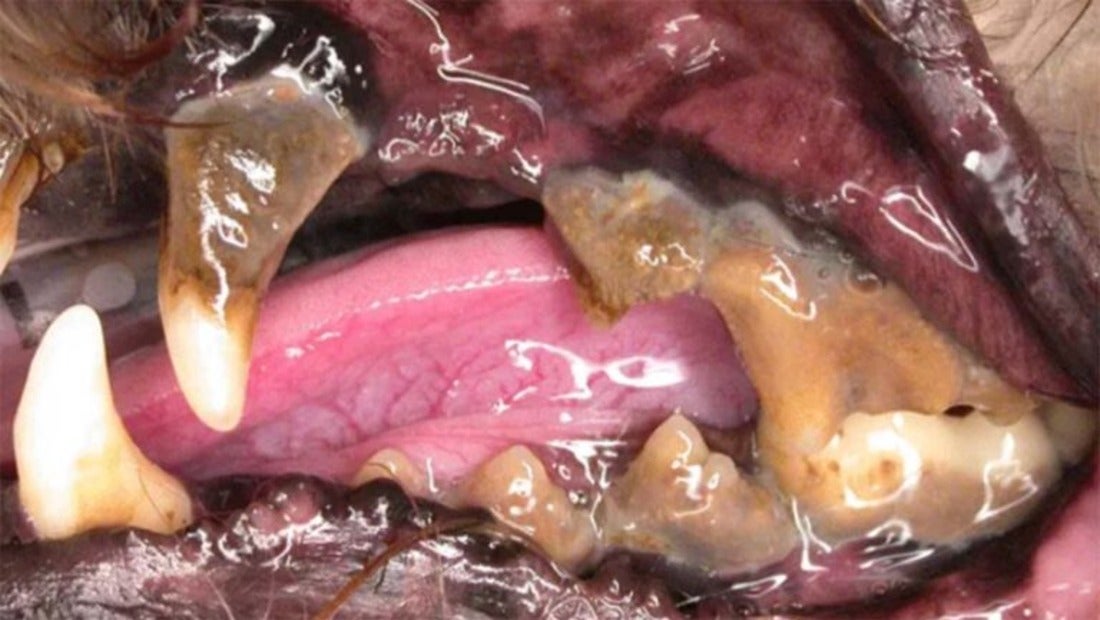
Stage 4 periodontal disease. Local disease is obvious, with profound tartar accumulation, gingival recession, and purulent debris and plaque present in the sulcus. (Image https://www.cliniciansbrief.com/article/pain-management-periodontal-disease)
What is a COHAT (professional dental procedure)? A Comprehensive Oral Health Assessment & Treatment (COHAT) is performed under general anesthesia, with the airway protected. During a COHAT we: examine the full oral cavity, remove plaque and tartar above and below the gumline, take dental x-rays (this is where many hidden problems are found), extract or treat diseased teeth and polish the remaining teeth to protect the enamel. Depending on severity, these procedures can take 30 minutes to 3 hours. Some pets may need a COHAT as often as every 6–12 months, especially if they’re high-risk or home brushing isn’t possible.
Some pets are born high-risk. Even with great owners, certain pets develop dental disease earlier or more severely. Higher-risk breeds include: Small dogs and flat-faced breeds (Yorkies, Shih Tzus, Bulldogs, Pugs, etc.) and Persian cats. Dogs usually suffer from disease affecting the ligaments and bone around teeth. Cats often have additional painful conditions like tooth resorption and stomatitis. These conditions can be extremely painful — and are often missed at home because cats are masters at hiding discomfort.
Does diet matter? Yes… but it isn’t a cure. A healthy, balanced diet supports overall wellness, and texture can influence plaque build-up. Softer/stickier foods may allow plaque to build up faster and dry food may help “scrub” the tooth surface a bit. There are also prescription dental diets, which tend to be larger, denser kibble designed to encourage chewing. These diets may help slow plaque and tartar, but they will NOT treat dental disease that’s already under the gumline.
Schedule a dental exam this month!
February is National Pet Dental Health Month, and it’s a perfect time to get your pet checked.
Call us at (848) 217-5000
Visit www.citybytheseavet.com to learn more or schedule an appointment.
Your pet’s mouth shouldn’t hurt — and we’re here to help.
Dr. Tom
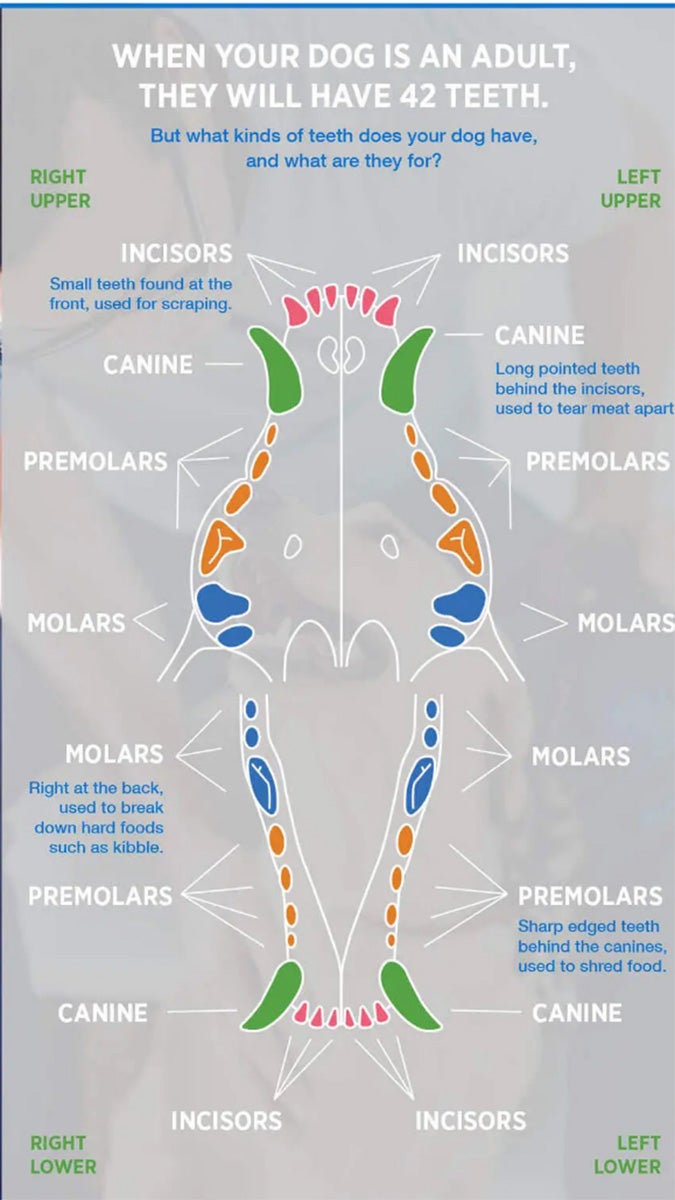
Purina dental chart to explore dog teeth anatomy, the different types and what they’re used for. (Image from www.purina.com)